
Mass Gainers Bad for the health?

 5 Aug 2023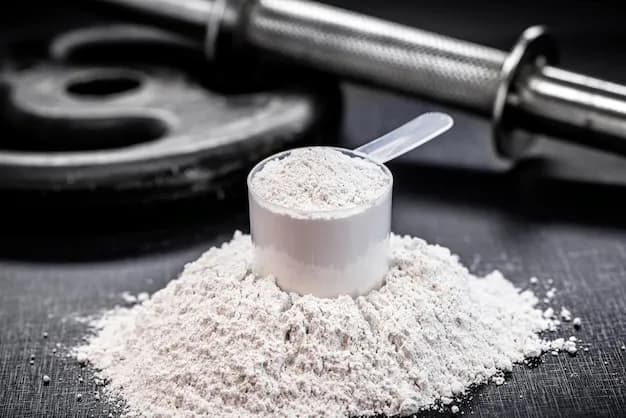

Building muscle requires a combination of proper nutrition and effective training. For individuals looking to gain muscle mass, the use of mass gainers has become a common consideration. But do you really need a mass gainer to achieve your muscle-building goals? In this blog post, we will explore the pros and cons of mass gainers, shed light on their effectiveness, and help you make an informed decision about whether they are necessary for your fitness journey.
The Pros of Mass Gainers: Fueling Muscle Growth
Convenient Source of Calories:

Mass gainers are designed to provide a high calorie and macronutrient content in a convenient shake form. They offer a quick and easy way to increase calorie intake, which is essential for muscle growth and weight gain.
Increased Protein Intake:
Most mass gainers are protein-rich, offering a significant amount of protein per serving. Protein is crucial for muscle repair and growth, and consuming a higher protein intake can support muscle development.
Carbohydrates for Energy:
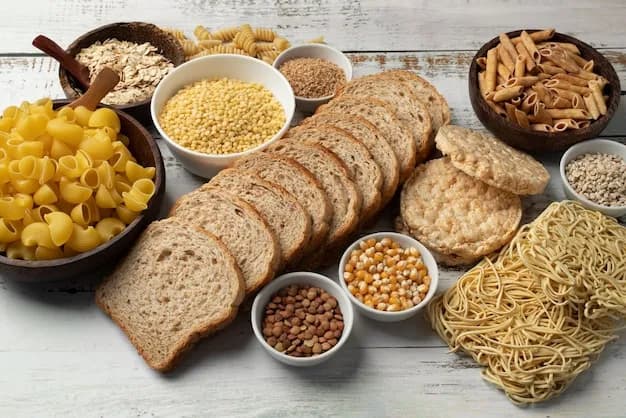
Mass gainers often contain a substantial amount of carbohydrates, which are a vital energy source during intense workouts. Carbohydrates can help replenish glycogen stores, enhance performance, and support muscle recovery.
The Cons of Mass Gainers: Considerations and Drawbacks
High Calorie Content:
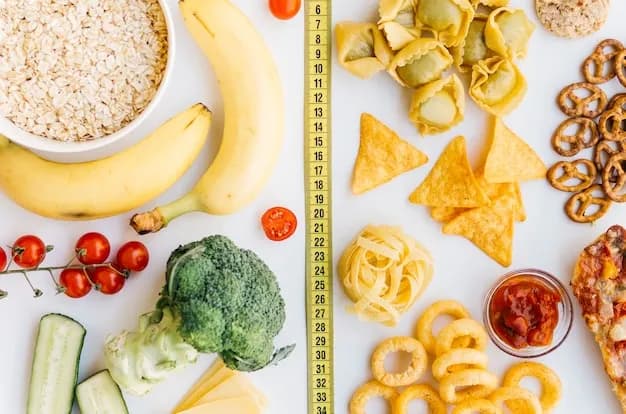
While the high calorie content of mass gainers can be advantageous for individuals struggling to consume enough calories, it can be excessive for those who are not in a caloric deficit. Excess calorie intake can lead to unwanted fat gain, especially if not balanced with appropriate exercise.
Potential Nutrient Imbalance:

Relying heavily on mass gainers as a primary source of nutrition may lead to an imbalance in nutrient intake. Whole foods provide a broader range of essential vitamins, minerals, and fiber that are often lacking in mass gainers.
Cost and Financial Considerations:

Mass gainers can be relatively expensive compared to whole foods or regular protein powders. Considering the cost and budgetary factors is important, especially if other food sources can fulfill your calorie and nutrient needs.
Making an Informed Decision
Assess Your Caloric Needs:

First, determine your daily caloric requirements based on your goals, activity level, and metabolism. If you struggle to meet your calorie needs through regular meals and snacks, a mass gainer may be a viable option to supplement your intake.
Evaluate Your Protein Intake:

Evaluate your current protein intake from whole foods and other protein sources. If you find it challenging to meet your protein requirements, a protein-rich mass gainer can contribute to reaching your daily targets.
Consider Whole Food Alternatives:
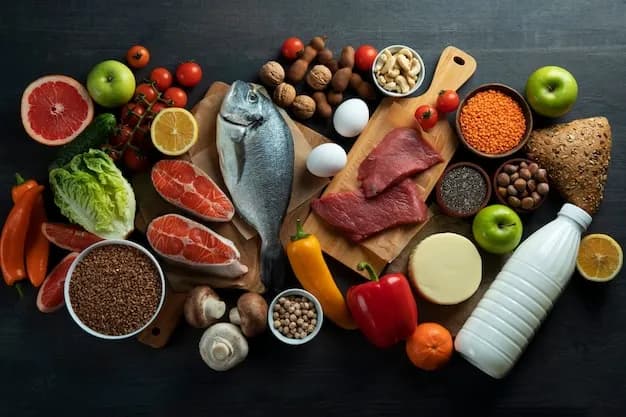
If your diet already includes a variety of nutrient-dense foods, it may be more beneficial to focus on increasing your calorie intake through whole food sources rather than relying solely on mass gainers. Whole foods offer a wider spectrum of nutrients and provide a more balanced approach to muscle building.
Conclusion:
The decision to use a mass gainer ultimately depends on your individual needs, goals, and dietary habits. Mass gainers can be a convenient and effective tool for individuals struggling to consume enough calories or meet their protein requirements. However, it's crucial to consider potential drawbacks such as excessive calorie intake, nutrient imbalances, and financial factors. Assessing your caloric needs, evaluating your protein intake, and considering whole food alternatives can help you make an informed decision. Remember, muscle growth and weight gain can be achieved through a combination of proper nutrition, consistent training, and adequate rest. Consult with a healthcare professional or registered dietitian to determine the best approach for your specific circumstances and optimize your muscle-building journey.
References:
Hulmi, J. J., et al. (2010). Journal of the International Society of Sports Nutrition, 7, 17.
Pasiakos, S. M., et al. (2015). Advances in Nutrition, 6(6), 712-713.
Kerksick, C. M., et al. (2018). Journal of the International Society of Sports Nutrition, 15, 1.